10 INSANE Buildings We Can't Build Today
- 4 days ago
- 5 min read
Hey there, architectural adrenaline junkies! Welcome to the Waffle Ladders blog—the place where we ask the big questions like, “Could we build that today?” and confidently answer, “LOL, no.” Today we’re counting down the Top 10 Old Buildings We Couldn’t Recreate Today. We’re talking precision rock stacks, divine geometry, and labor conditions that would make OSHA file a formal complaint . These structures weren’t built with CAD software, power tools, or teams of lawyers. Just grit, genius, and (probably) a lot of shouting. Grab your hard hat (and maybe a sense of wonder) as we climb the ladder.
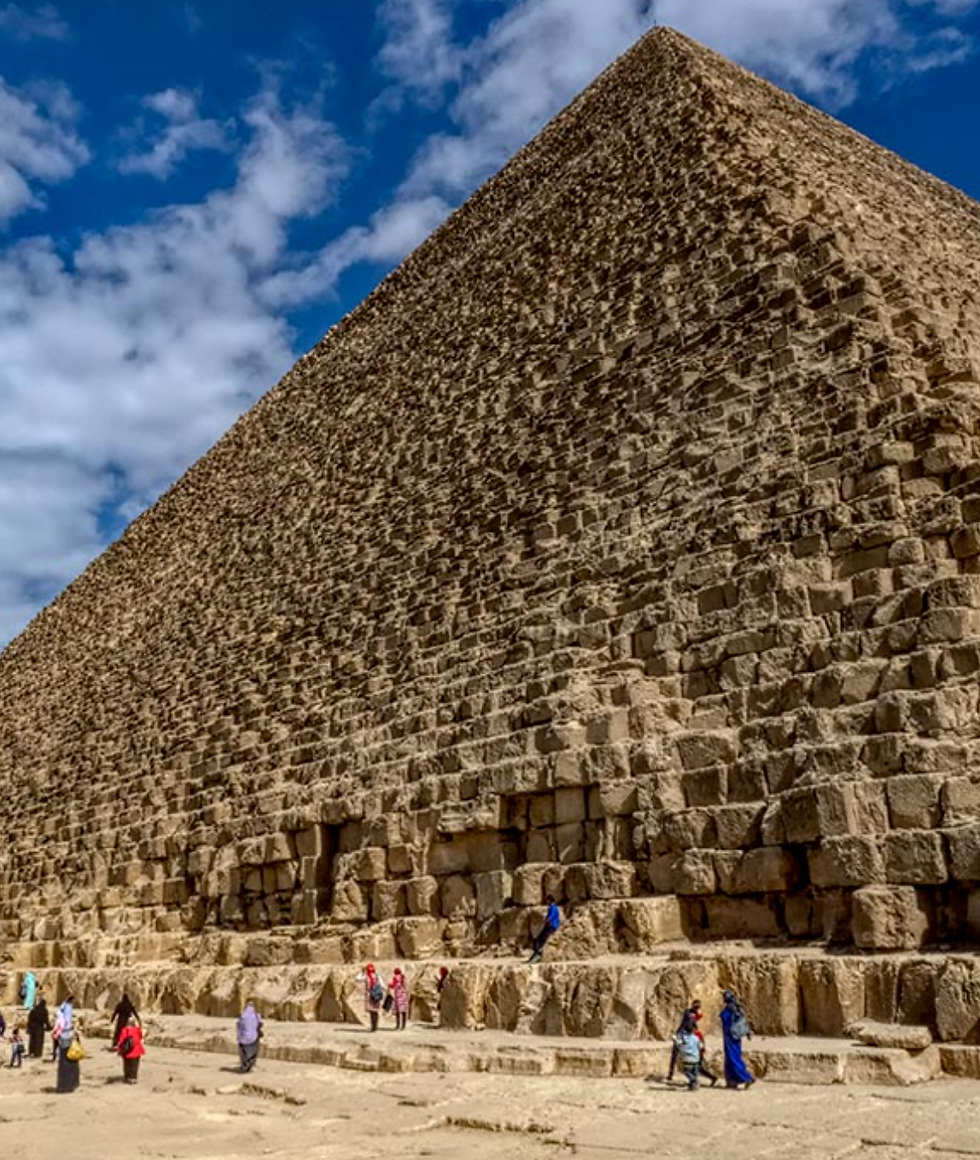
#10: Great Pyramid of Giza (Egypt, c. 2560 BCE)The original flex. Standing over 480 feet tall and covering 13 acres, this is still one of the most recognizable structures on Earth. The builders used roughly 2.3 million limestone blocks, some weighing up to 80 tons each. No power tools. No cranes. No trucks. Just ramps, ropes, sleds, and an unimaginable amount of coordinated human effort. The internal precision is staggering—perfectly straight edges and alignments that would challenge modern surveyors. How did they orient it so perfectly to true north without GPS? Good luck replicating that with a clipboard and a team of surveyors today. Sure, we could theoretically rebuild it with billions of dollars, decades of work, and mega-machinery… but the environmental lawsuits and union negotiations would probably kill the project first.
#9: Sacsayhuamán (Peru, c. 1100s CE or earlier) This Incan fortress (pronounced roughly “sock-sigh-wah-mahn”) is an engineering masterclass perched high in the Andes. Its massive interlocking stones—some exceeding 100 tons—fit together so tightly you can’t slide a credit card between them. No mortar. No modern adhesives. Just perfectly chiseled stone “snuggles.” Many stones have over a dozen angles, creating a 3D jigsaw puzzle of epic proportions. Built more than 2 miles above sea level, the irregular layout is believed to have been earthquake-resistant. Los Angeles city planners, take notes.
#8: Baalbek – Temple of Jupiter (Lebanon, c. 1st Century CE)The Romans really knew how to show off. Here they erected 60-foot columns and incorporated the famous Trilithon—three colossal stones weighing around 800 tons each (roughly the weight of two fully loaded Boeing 747s). Moving stones that size to the site is one thing. Raising them 20+ feet into perfect alignment is another level of baffling. Modern heavy-lift experts can move massive loads, but the precision and elevation achieved here still leave people scratching their heads. Was it unknown ancient technology, an enormous workforce with incredible organization, or… something else? The foundation work alone is mind-boggling.

#7: Kailasa Temple at Ellora (India, c. 700s CE)Carved. From. A. Single. Rock. Instead of building up, the creators of this Hindu temple (part of the Ellora Caves complex) carved downward from a mountainside, removing an estimated 400,000 tons of stone with hand tools. No blueprints in the modern sense. No “oops, let me fix that.” Just one shot at getting it right. The main hall soars over 100 feet tall, filled with intricate carvings that would make any artisan jealous. The whole thing was reportedly completed in about 18 years—faster than many contemporary home renovations. Pure architectural audacity.
#6: Derinkuyu Underground City (Turkey, c. 8th Century BCE)Imagine an ant farm… but for up to 20,000 people. This multi-level underground metropolis was carved into volcanic rock, descending 18 stories deep. It included living quarters, schools, stables, wineries, massive rolling stone doors for defense, and even booby-trap-style features. Ingeniously designed ventilation shafts (52 of them!) brought fresh air to every level without any mechanical assistance. Today? We’d need environmental impact studies, a multi-billion-dollar budget, union negotiations over working conditions, and it would probably get canceled halfway through.
#5: Angkor Wat (Cambodia, c. 1100s CE)The world’s largest religious monument, built in under 40 years. For scale: it reportedly involved around 300,000 workers and 6,000 elephants. It spans an area large enough to cover hundreds of football fields, features a massive moat, intricate bas-reliefs stretching for miles, and precise solar alignments. The sandstone was quarried roughly 30 miles away and transported by river. Moving millions of tons of stone without modern heavy equipment? Another one of those achievements that feels almost too impressive to be real.
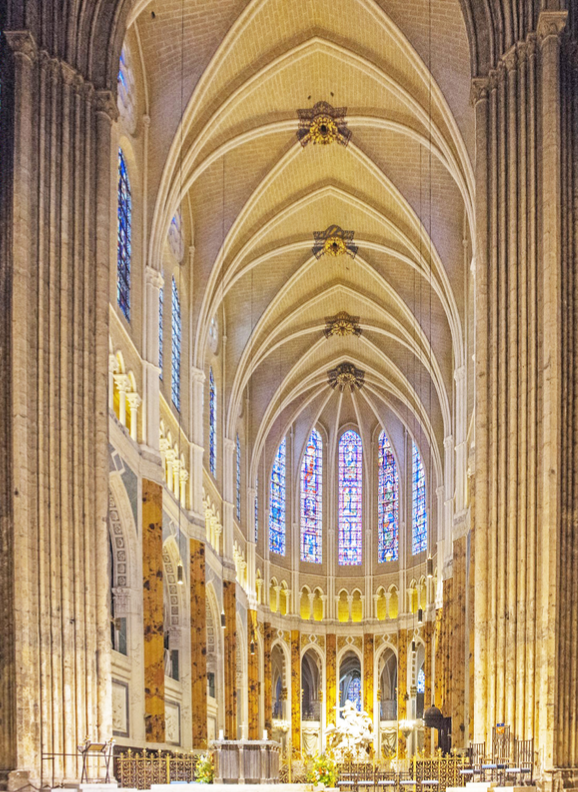
#4: Chartres Cathedral (France, c. 1194 CE) This Gothic masterpiece didn’t just reach for the heavens—it seems to have taken notes while it was up there. Dedicated to the Virgin Mary, it features over 4,000 statues of astonishing detail and more than 150 stained-glass windows whose vibrant colors (especially certain blues) still puzzle modern chemists. Much of it was completed in just 26 years—an incredible pace for the era. The floor even includes a famous labyrinth used for meditative prayer walks. Modern cathedrals? You’d be lucky to get one that doesn’t feel like a glorified gym.
#3: Hungarian Parliament Building (Budapest, completed 1904) A government building this ornate feels almost criminal. With 691 rooms, 242 sculptures, 40 million bricks, half a million precious stones, and gold leaf everywhere, it’s basically Versailles with better real estate. Nearly three football fields long, perfectly symmetrical, and aligned beautifully with the Danube River—it was finished in under 20 years without modern power tools. Today you’d probably get a glass-and-steel box that takes seven years just to approve the permits.
#2: Neuschwanstein Castle (Germany, completed 1886)Built by “Mad” King Ludwig II, this fairy-tale fortress on a rugged mountain inspired Disney’s Cinderella Castle. Nearly 500 feet long and over 200 feet tall, it features vaulted ceilings, swan frescoes, hidden passages, and—most impressively for the 19th century—advanced plumbing with heated water and flush toilets. It looks like it belongs in a storybook rather than the real world. Ludwig’s vision was so grand that today he’d probably be prescribed therapy and a strong dose of reality.
#1: Mont-Saint-Michel (France, 8th Century onward)A Gothic abbey perched on a rocky tidal island that becomes completely surrounded by water twice a day. Why build where the ocean actively tries to kill you twice daily? Because it’s dramatic and defensible, obviously. Constructed in layers over centuries without modern engineering or safety gear, it includes crypts, cloisters, halls, and a causeway that disappears with the tides. The natural defenses (mudflats that could swallow invaders) combined with divine architecture make it one of the most romantic and improbable sites in the world. Trying to build something like this today would trigger environmental protests, endless permitting battles, budget explosions, and probably a Netflix documentary about its spectacular failure.
So there you have it—ten structures so ambitious they make most modern construction projects look like budget airport terminals. These weren’t built with liability waivers and environmental impact reports. They were built with human ingenuity, determination, and (in some cases) what feels like almost superhuman coordination. Which one blew your mind the most? Drop your thoughts in the comments below! If you enjoyed this deep (and slightly sarcastic) dive into history’s greatest hits, be sure to check out the full video on the Waffle Ladders YouTube channel and subscribe for more explorations of the wild, weird, and wonderful.
Until next time—stay curious, and maybe don’t try carving a temple out of your basement wall.
Keep climbing!


Comments